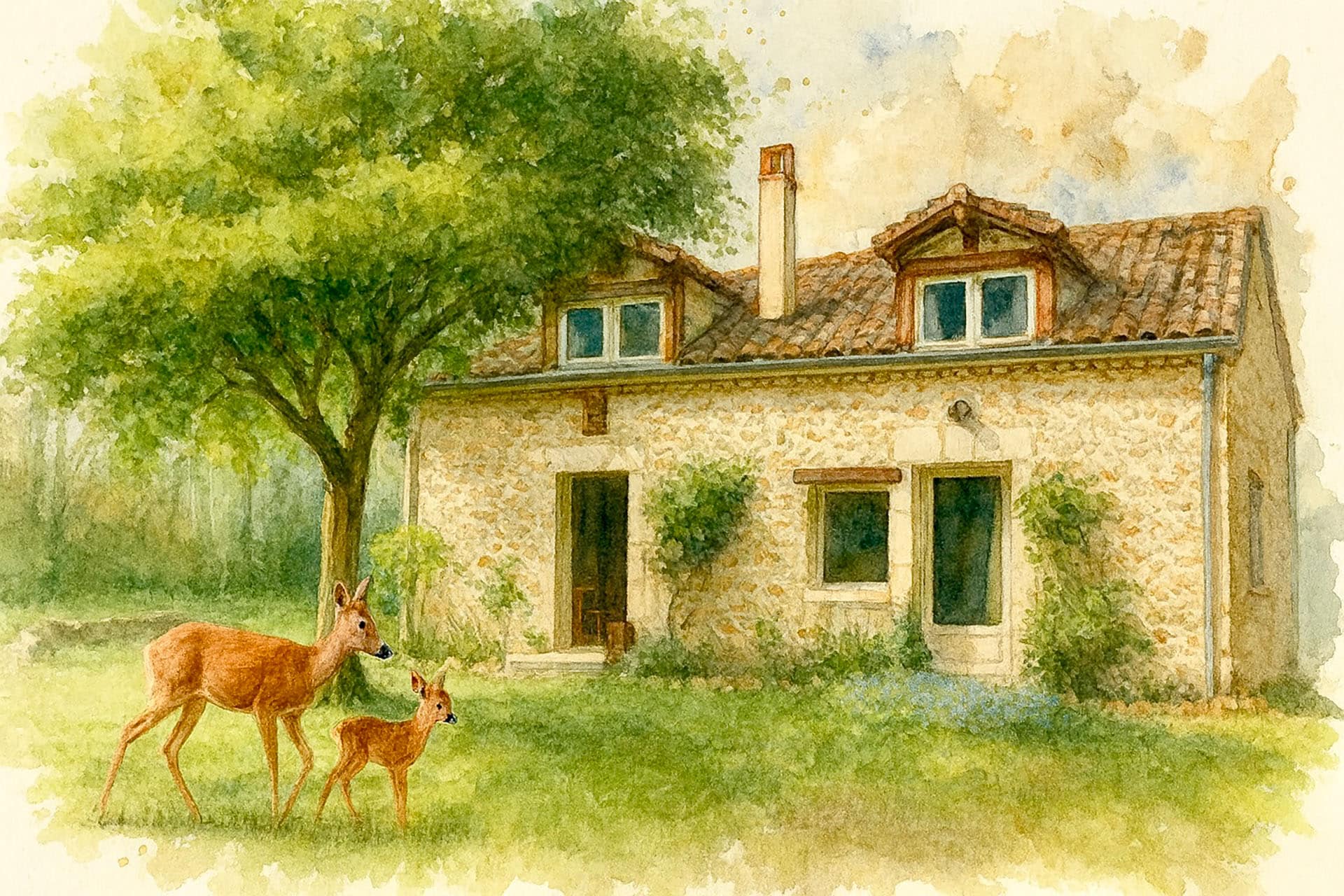
La Tuilière, Refuge for Naturalism and Biodiversity
Haven of Tranquillity in the Dordogne Forest
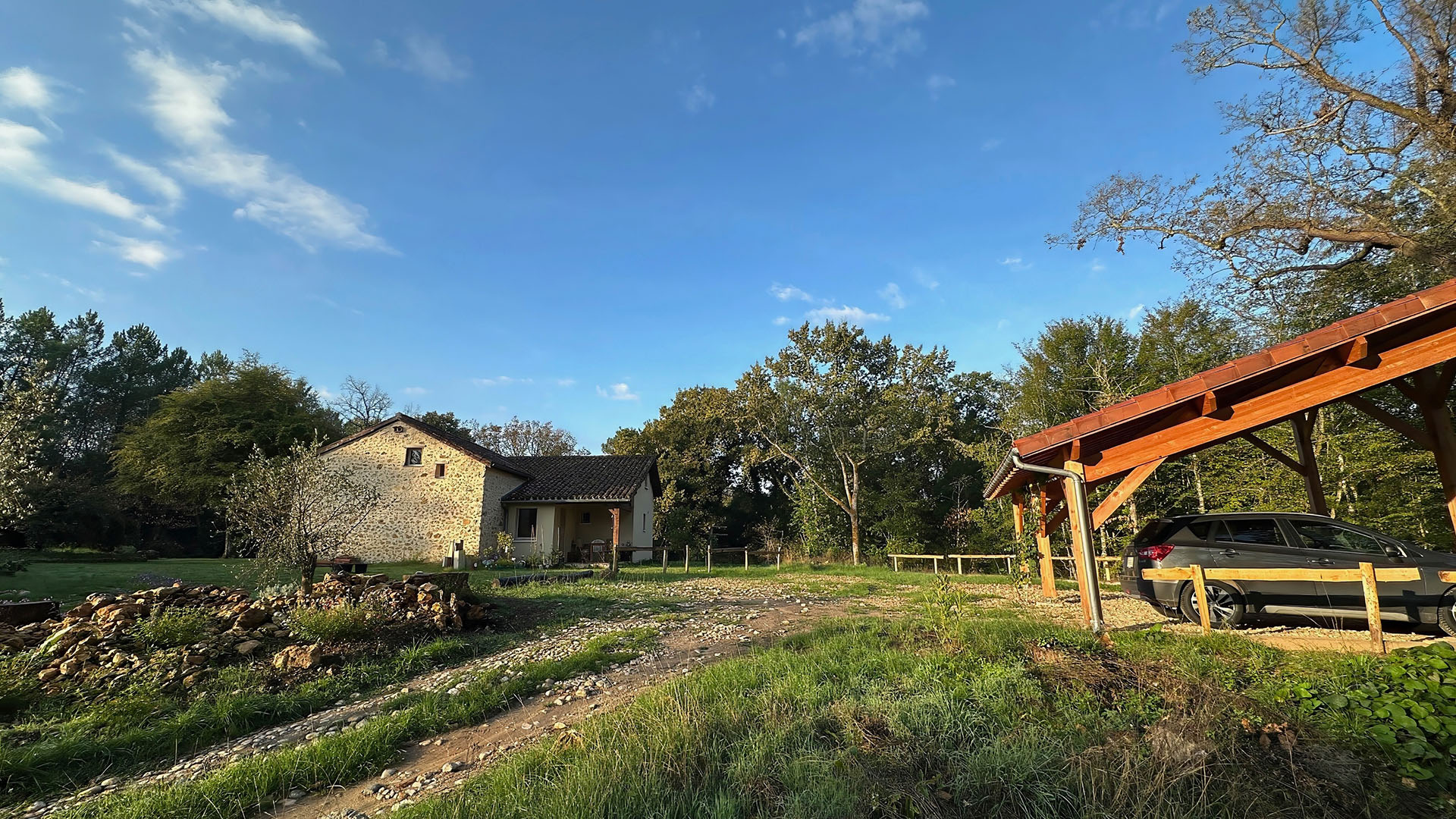
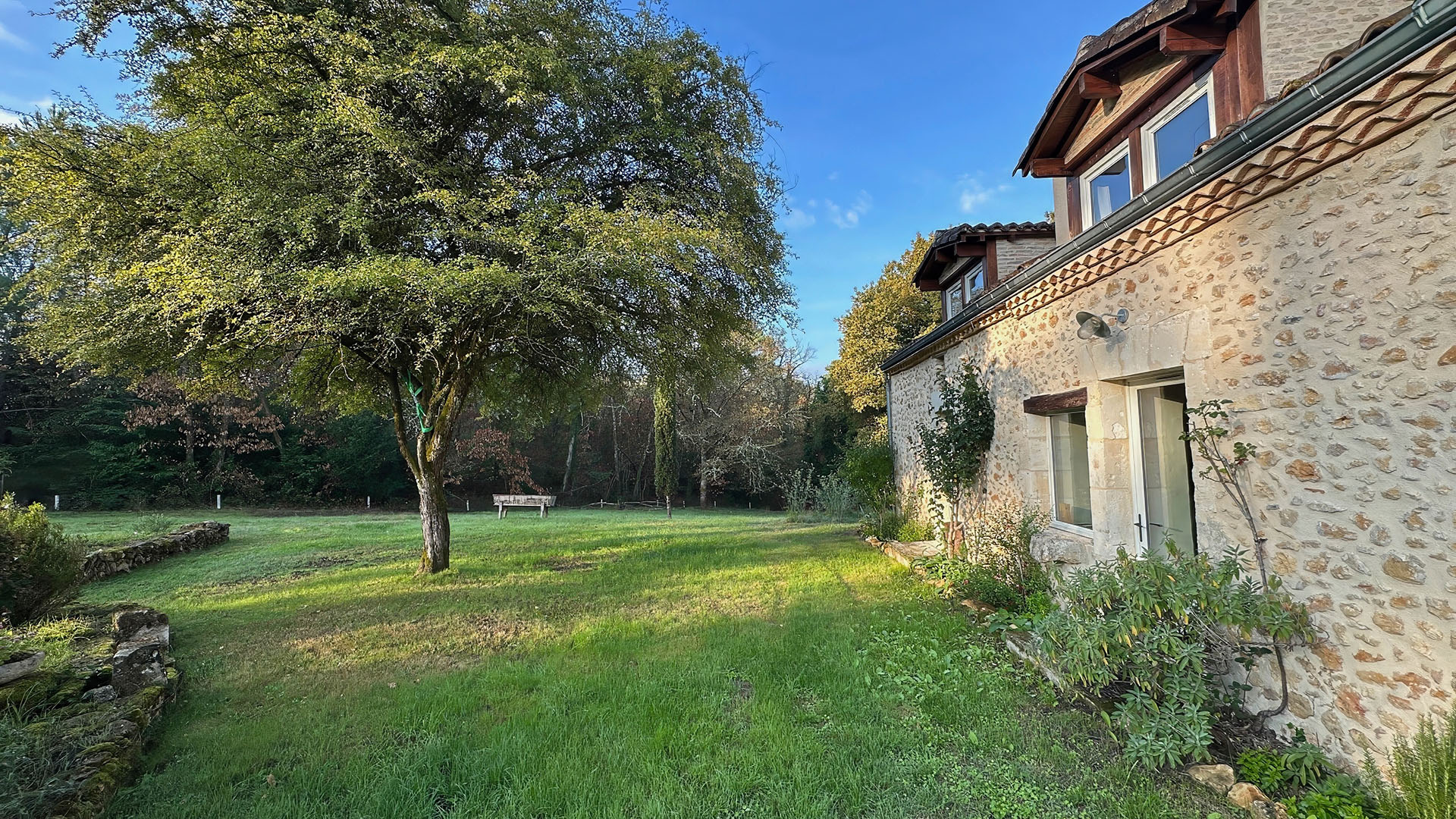
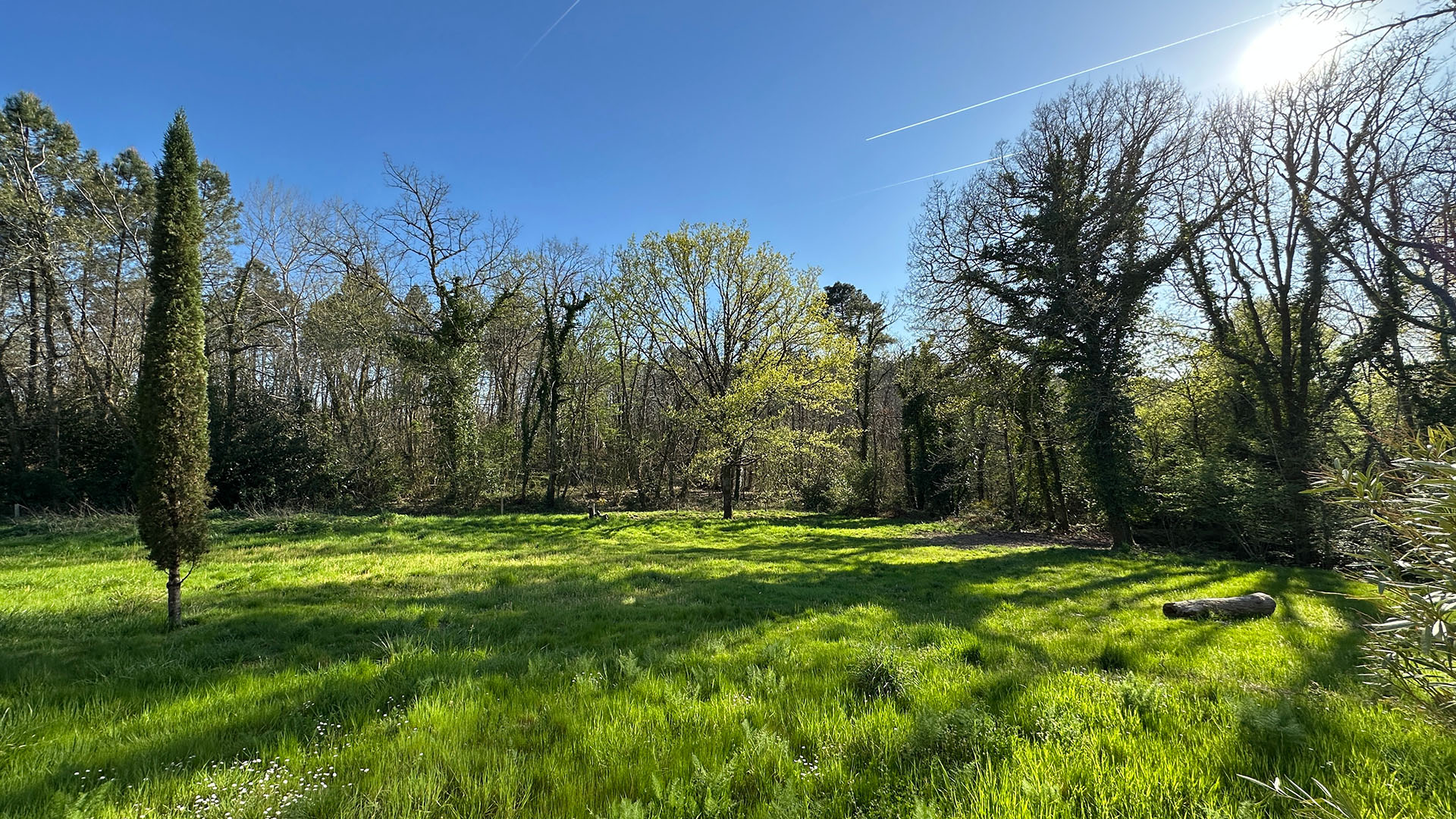
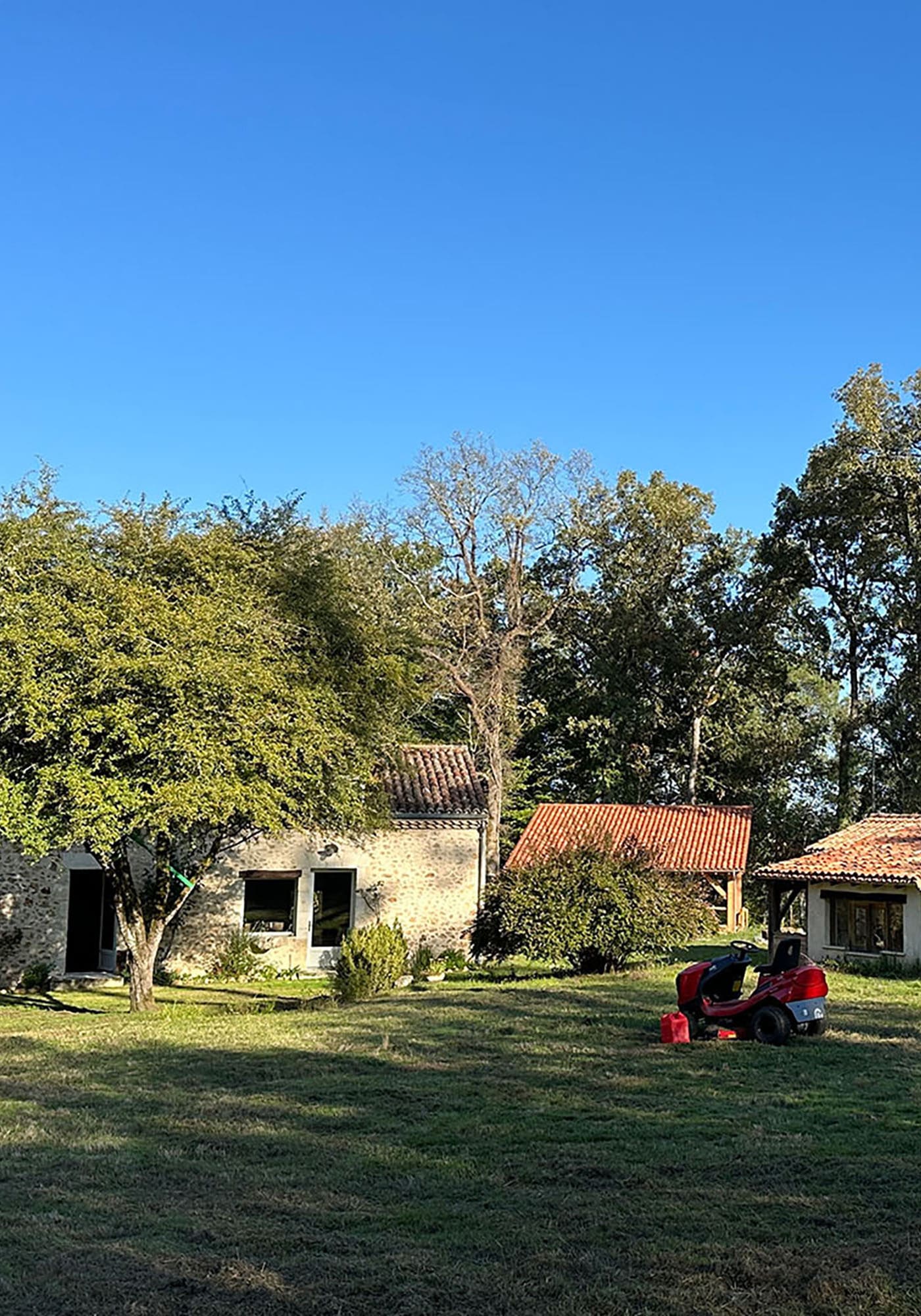
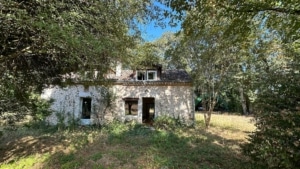
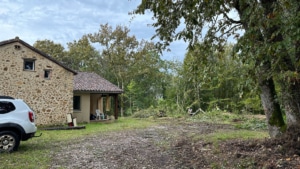
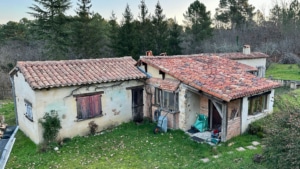
La Tuilière, literally translated as Tileworks, is a property hidden in a forest clearing in the Dordogne, between Bergerac and Mussidan. It consists of two stone buildings originally dating back to 1580, which once served as eating and sleeping quarters for tile workers who exploited the surrounding clay deposits and produced roof tiles for the nearby Château du Maupas and its estates. While retaining several original features – such as a the bread oven and a fireplace – the buildings have been extended and renovated over the centuries. They are set within a forest clearing on a two-hectare oak and pine forest plot, located in a protected Natural (Zone N) area of the Forêt du Landais, in White Périgord.
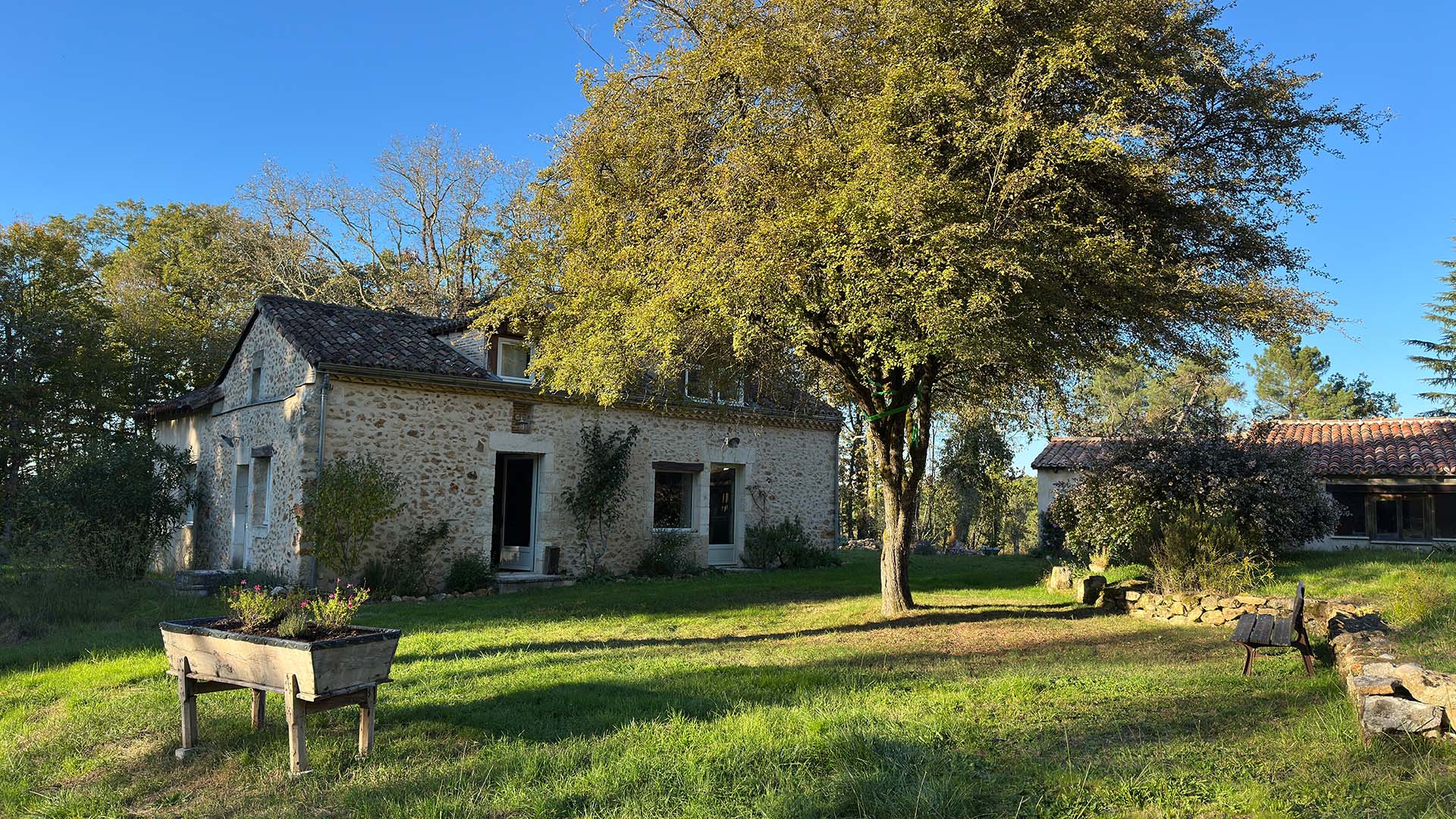
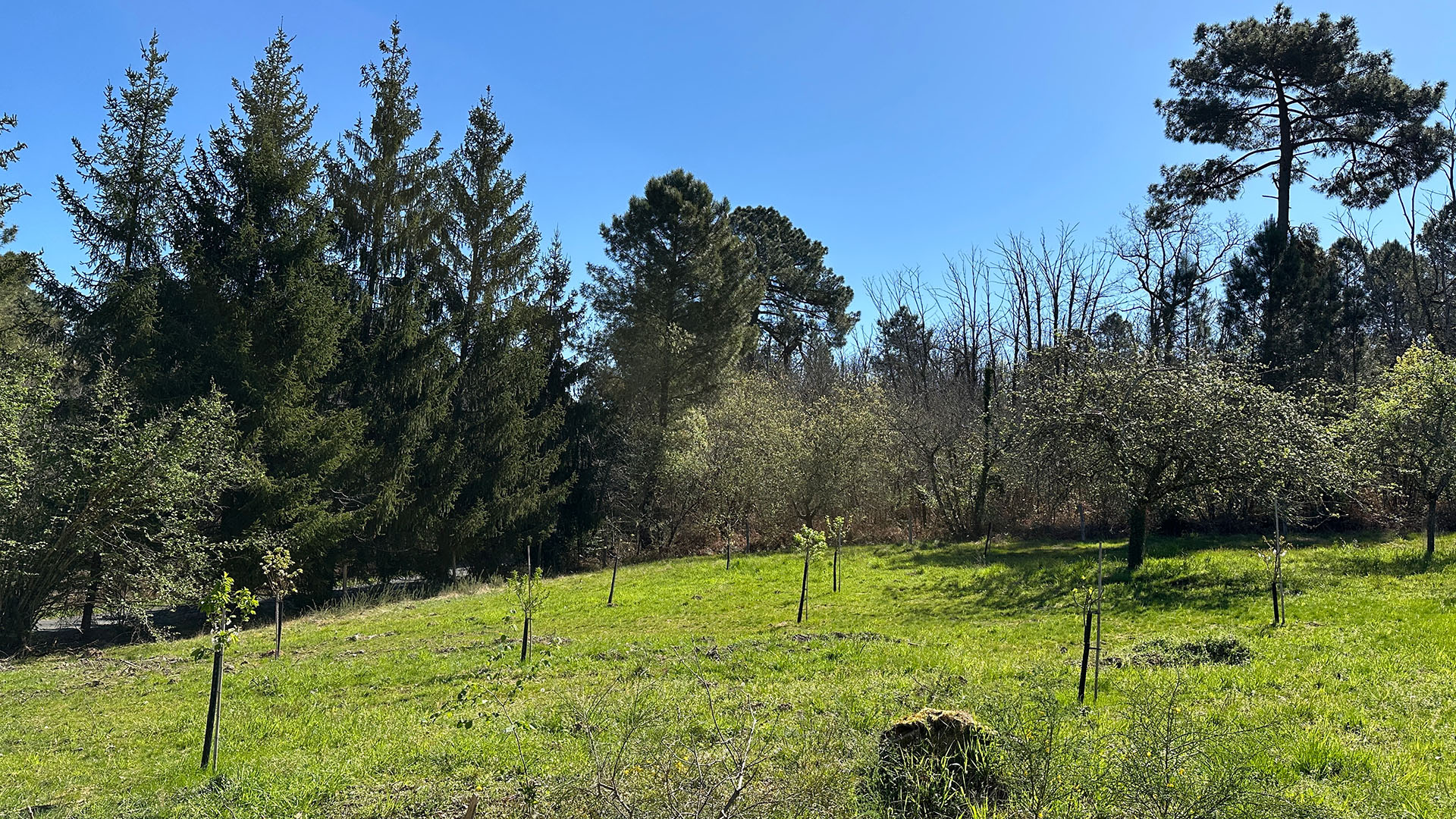
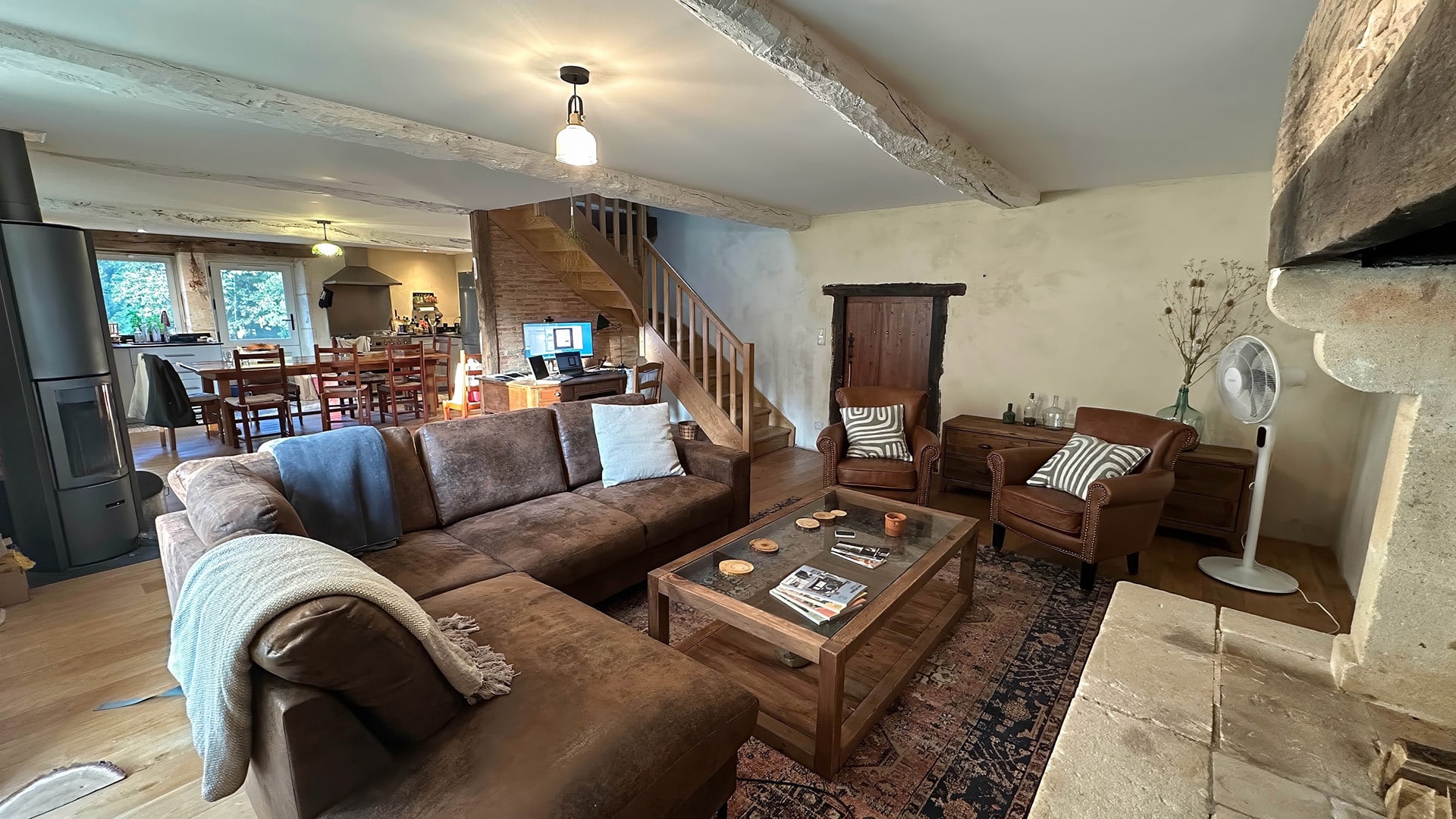
La Tuilière is my personal Refuge for Naturalism and Biodiversity – a child dream and ongoing project conceived as a biodiversity observatory and a gentle pedagogical tool to promote ecological awareness, naturalist activities, and arts, such as photography, painting and writing.
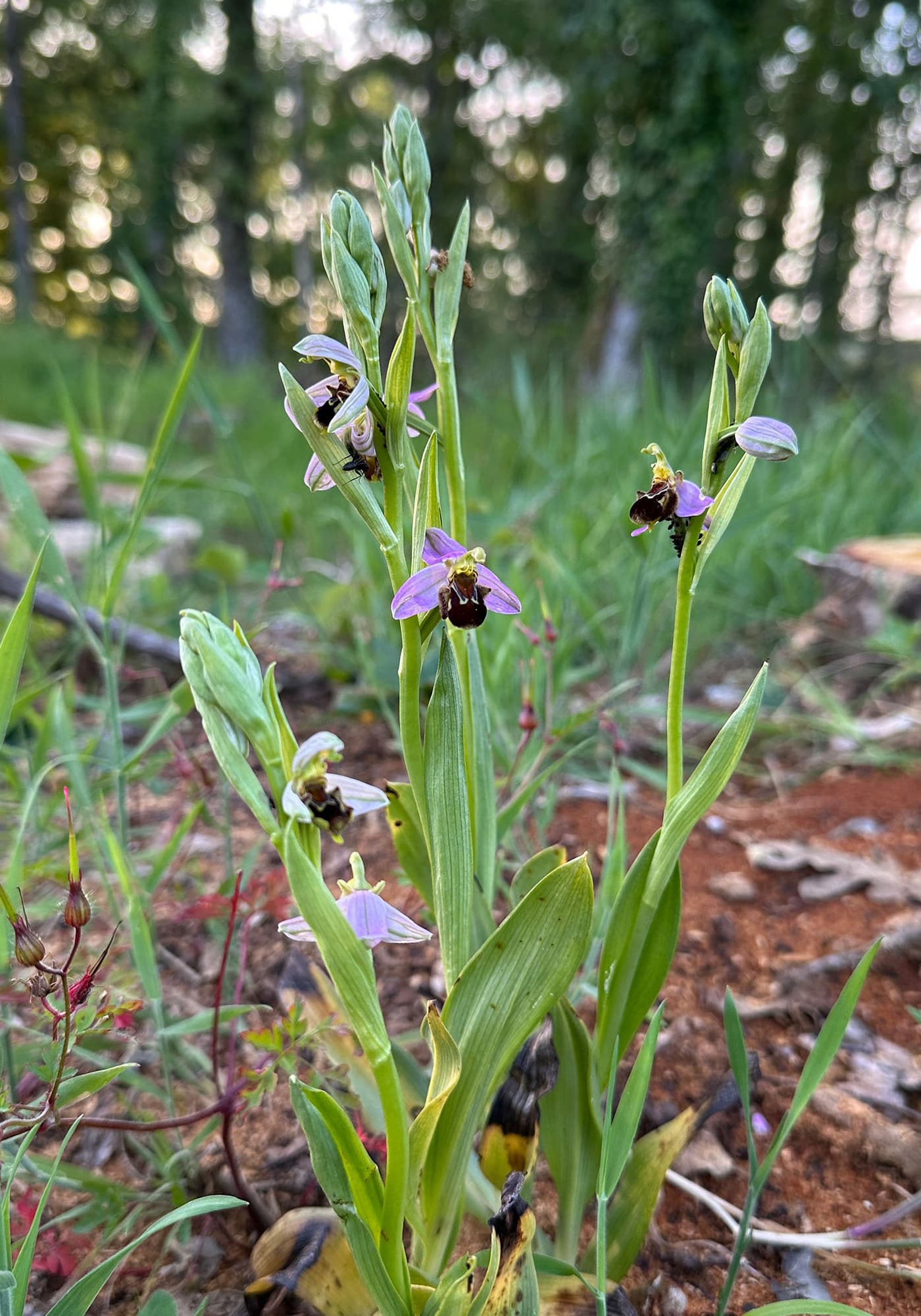
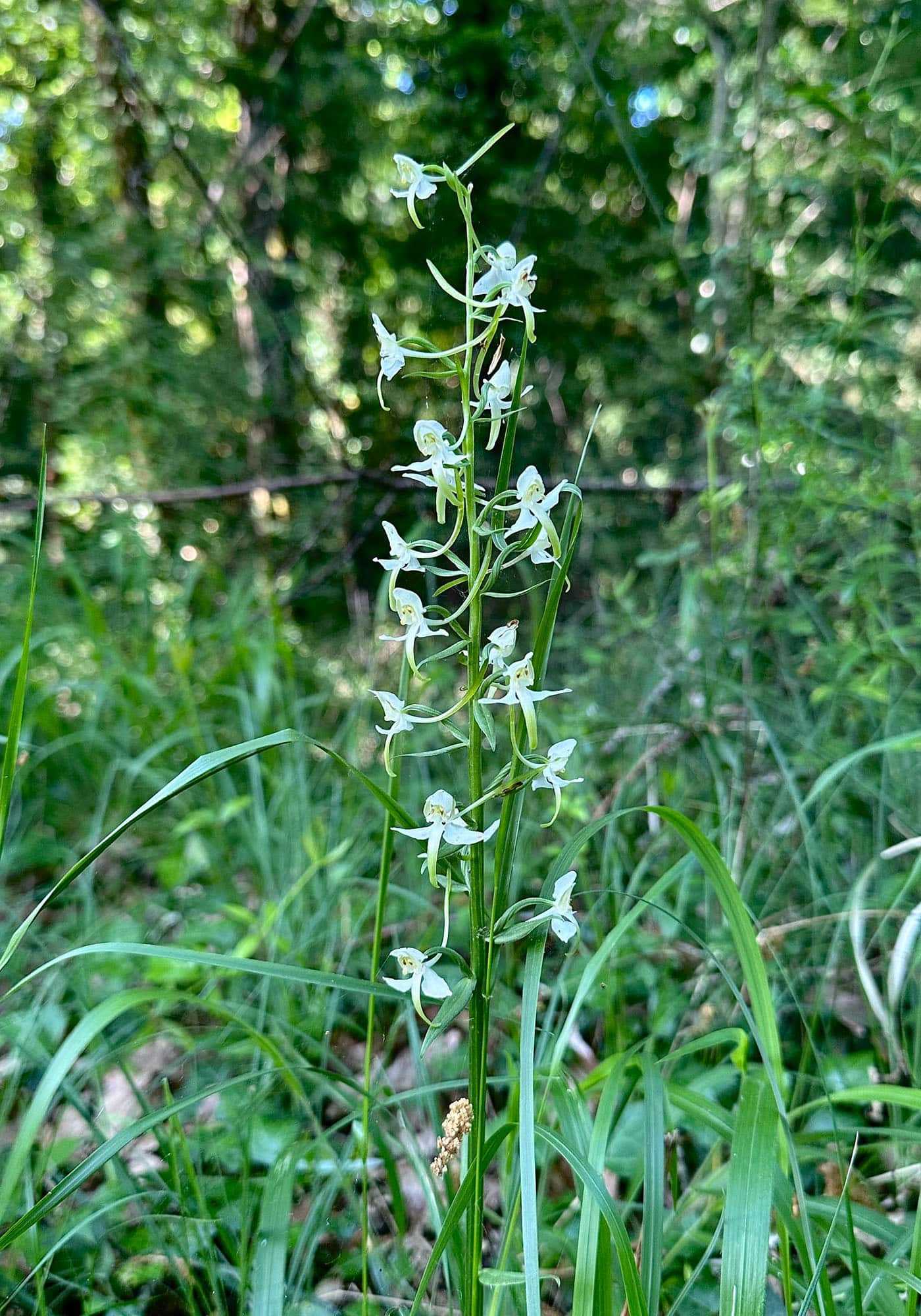
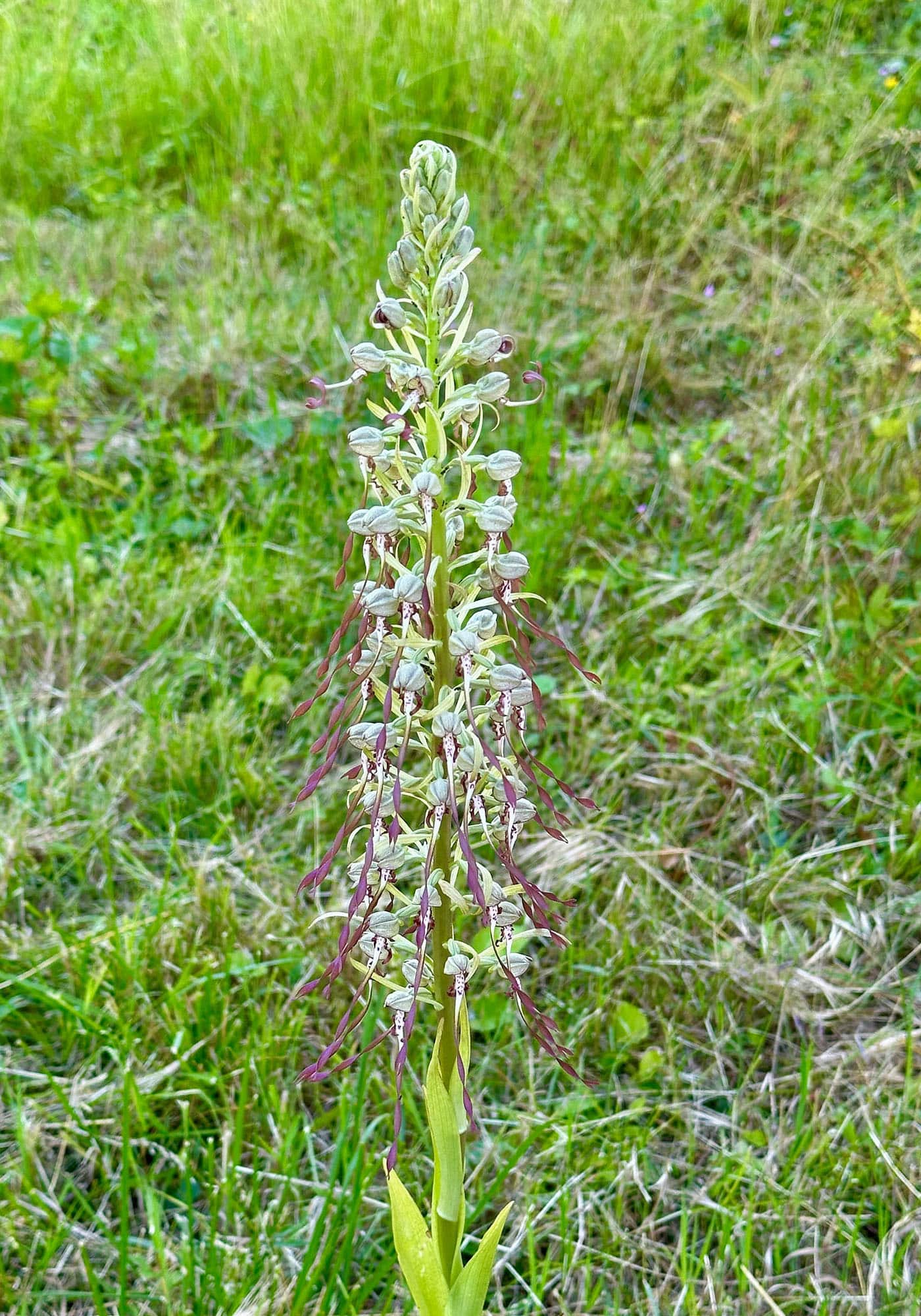
To date, over 100 resident and migratory bird species have been recorded on the site, which also supports a rich diversity of mammals, amphibians, and insects, as well as sensitive plant species such as bee orchids, butterfly orchids, and lizard orchids.
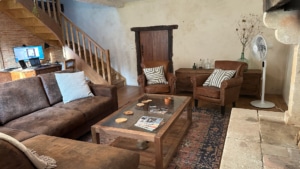
At present, the main house has been fully renovated and is available as a summer holiday rental on major platforms such as Airbnb, Booking.com, Abritel, Vrbo, etc… It offers a lot of tranquillity, with the nearest neighbour over one kilometre away, yet remains only a short drive from local amenities. Ideally located for exploring everything Périgord has to offer, the property provides easy access to some of France’s most beautiful villages, traditional markets, vineyards, and remarkable castles and fortresses along the Dordogne and Vézère valleys. The area is listed as UNESCO World Heritage for its exceptional density of prehistoric caves, paintings, and artefacts.
La Tuilière is a haven for quiet reflection and authentic rural living, blending rustic charm with comfort. It is an ideal retreat for nature lovers and all those seeking peace immersed in woodland and birdsong.
Wildlife
Animals are shy because the Dordogne is a popular with hunters. But as the sun comes down, nature reclaims the grounds, and deers, foxes and boars commonly visit the forest clearing as recorded here on one of our camera traps located behind the house.
But if your are the quiet type and stay here long enough you may also be rewarded with a very memorable day time visit.
Biodiversity
March to September 2025
Identification of Sensitive Areas and First Annual Grass Cut
Except for limited trimming, no grass cutting was conducted in 2024 and spring and summer 2025 to enable a rough inventory of the flora. This led to the identification of sensitive area that will be sign posted in future to prevent accidental cutting. Examples of such areas are patches with rare flowers such as the bee orchids, the butterfly orchid, and the very tall lizard orchid.
In October 2025, the first annual cut was conducted, whilst some areas were left to be cut on a biennial schedule, a practice designed to promote complex plant-insects interactions and communities and thus biodiversity.

November 2025
One Hundred Bird Species Recorded
As of November 2025, over 100 hundred bird species were recorded by visual or sound recordings and AI recognition by the Merlin App on the property. These included resident species, as well as summer and winter visitors.
December 2025
La Tuilière Is Now LPO Registered
La Tuilière is now registered as a Ligue de la Protection des Oiseaux (LPO), Ligue for Bird Protection Refuge. Discover this great citizen participation scheme to act for biodiversity organized by the LPO.
Renovation and Landscaping Projects Updates
Discover the main milestones of the project in terms of renovation works, landscaping, and promoting wildlife and biodiversity.
August 2024: Settling Into the Property
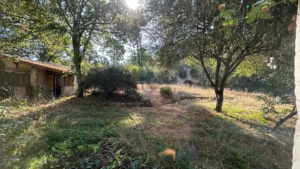
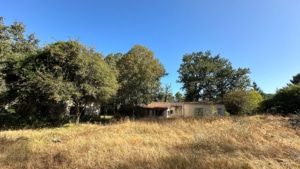
When I arrived at La Tuilière, despite August being one of the driest months in the Dordogne, the houses were extremely damp. Over the previous 50 years, the surrounding forest had gradually reclaimed the original clearing, eventually engulfing the buildings and preventing them from drying properly. Conditions had deteriorated to the point that mushrooms were fruiting through the corridor tiles of the main house.
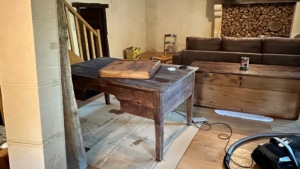
Early tasks therefore focused on clearing excess trees and shrubs around the main house to restore light and airflow, as well as furnishing the interior. The open-plan ground floor was temporarily converted into a workshop for renovating antique wooden furniture, while a steady stream of deliveries followed, including electrical appliances, bedding, and light fixtures.
October 2024: Recreating Layered Forest Margins
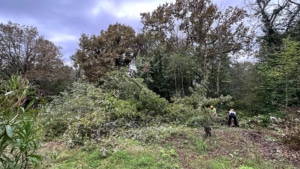
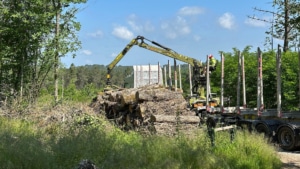
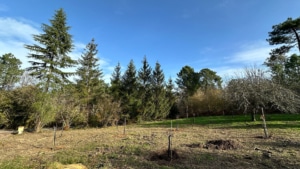
In early autumn, a major tree-clearing operation was therefore undertaken to remove overhanging trees for safety reasons, to restore light and airflow to the houses, provide direct sunlight to the upcoming carport/solar station, and to the former orchard area. Crucially the clearing recreated structurally layered forest margins, which are key features for enhancing biodiversity.
November 2024: A New Orchard for Food Autonomy
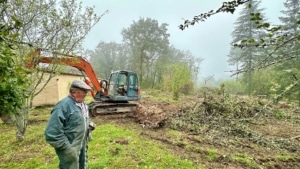
Removing several tree stumps and clearing accumulated debris – this was done by farmer and neighbour George – allowed us to re-establish an orchard around a very old apple tree, a remnant of the former orchard meadow. New fruit trees were selected for their adaptation to the local sandy clay soil. These include various varieties of apple, pear, cherry, and plum trees, as well as chestnut, almond, and fig trees.
January 2025: Roof Renovation for the Low House
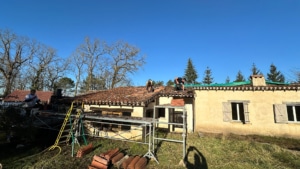
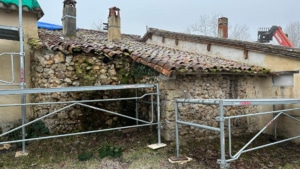
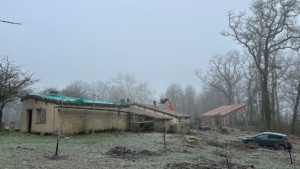
The roof of the lower house, which was leaking in several sections, urgently required renovation. The work was carried out using reclaimed tiles found on the property. Zinc flashing was added at key junctions, plastic gutters were replaced with metal ones, and unused chimneys and television aerials were removed.
January 2025: Renovated Carport and Future Solar Farm
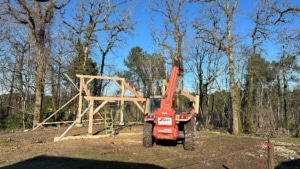
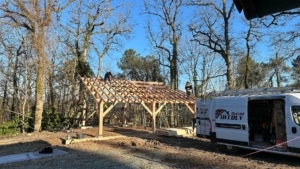
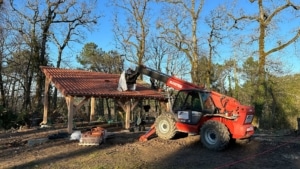
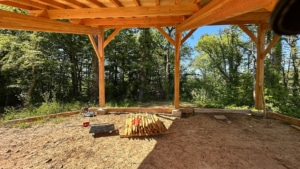
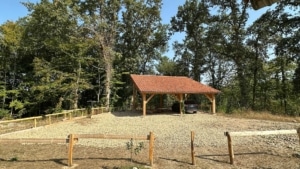
The former carport, originally built with iron framing and plastic sheeting, was rebuilt in Douglas pine, following local architectural style and craftsmanship. A south-facing 56m2 monopitch roof, respecting the original garage footprint, was chosen to best accommodate the future installation of a solar panel array aimed at achieving energy autonomy.
January to March 2025: New Electrical Switchboard for the Low House
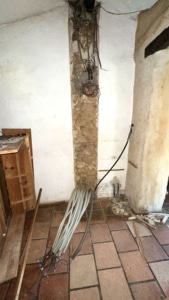
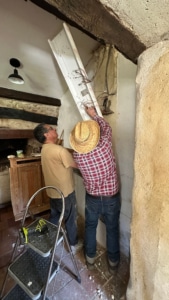
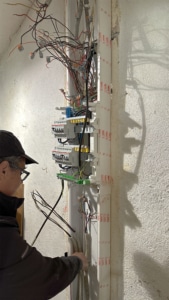
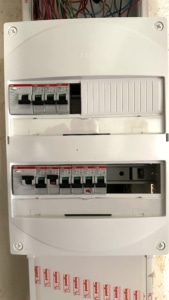
Understanding the electrical circuitry in the lower house proved challenging, due to an outdated switchboard combined with non-standard layouts and years of improvised DIY work. An urgent first step was therefore a safety upgrade, consisting of the installation of a new electrical panel and the identification and protection of key circuits. This work was led by neighbour and local DIY expert, Dominique.
Further electrical work included replacing and reconnecting supply lines to the outbuildings (garage, workshop, and stable). Finally, the local internet provider replaced the old telephone lines with fibre optic infrastructure in the area and connected the property – the last one on that line – at no cost. This required pulling new cables through approximately 70 metres of underground conduit extending from the road to the main house – a task that took the two technicians and myself several hours.
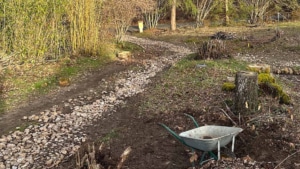
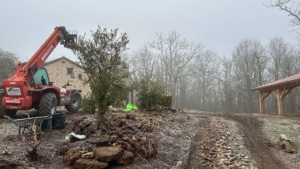
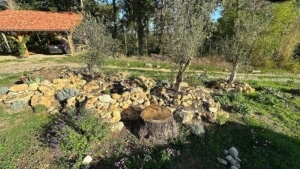
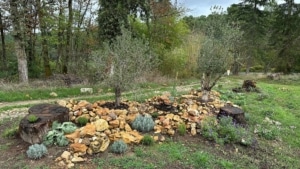
January to August 2025: Redesign of Access Path and Creation of Rockery
The original path layout included a loop circling a central island with three oak trees overhanging the houses (removed in October), as well as several hazelnut trees growing among piles of rocks, pebbles, and former construction rubble.
First, the lower section of the path was removed to create a larger garden space around the lower house. Second, recovered stones were reused to build a rockery around a small grove of newly planted olive trees, while pebbles were sorted by size and redistributed across, or placed along, the remaining main access path. Finally, in spring and summer, the rockery was planted with hardy perennials and xerophytes. Rock piles and stone walls are important refuges for reptiles and amphibians.
May to August 2025: Designing a Fenced and Pebbled Parking Area
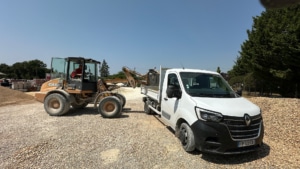
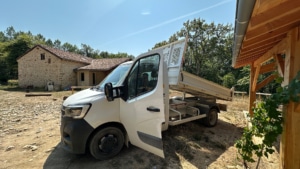
In preparation for a clearly defined pebbled parking area, oak sleepers were installed, chestnut wood barriers were erected, and the ground was levelled. In July, an initial 12 tonnes of pebbles were delivered and laid over the parking area. This will be complemented at a later stage by additional layers of smaller pebbles.
May to July 2025: Installation of Workshop
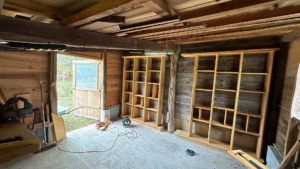
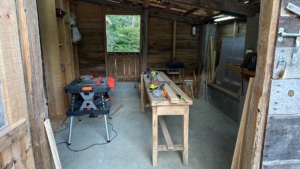
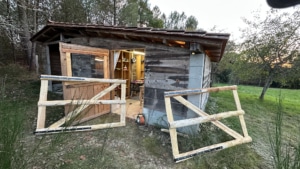
Initiated shortly after settling into the property, the installation of the workshop awaited the securing of the electrical circuits, which then enabled further improvements, including the installation of plexiglass windows and curtains. The workshop is now fully operational and has been instrumental in the construction of the rustic double-leaf chestnut property gate and other DIY projects.
July to September 2025: Final Touches in the Main House
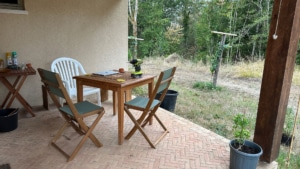
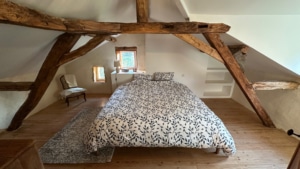
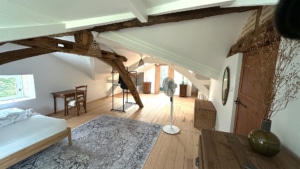
With the aim of engaging agencies to market the main house as a summer holiday rental from January 2026, final improvements were carried out in the main house. These included cleaning the gutters, inspecting the wastewater and septic tank systems, laying plinths, and improving the insulation of the bedrooms. Furniture was added to the porch terrace, the desk in sitting room was equipped as a workstation, a wifi repeater installed, and cosy, naturalist decorative elements were added throughout the house.